Why this exists.
I built it for my dad.
It worked. He is here.
My name is Brad. I build AI for a living at Quantum Pipes. When my dad got sick, the thing I built for him became the most important thing I have ever made.
Two years before any of this, my mom died. She was in the ICU. The doctors took her off Eliquis, her blood thinner. There was no reason left to keep her off it. They forgot to restart it. She had a stroke two weeks later. The mistake was right there in her chart. Nobody caught it.
So when my dad got sick, I was already watching. I had vowed not to lose him the same way.
He was admitted with a long, complicated history: Stage IV colorectal cancer, chronic hypoalbuminemia, intermittent hyperglycemia from a steroid course. The hospital was rushed. Specialists rotated through. The records made sense to a stranger who knew the language. They did not make sense to me. The team worked hard, meant well, and missed things that a slower set of eyes could have caught.
So I built a thing. I had it read every record his team wrote. I had it look up the medical literature behind every decision. I had it remember everything across encounters, weeks, and rotating shifts. It started catching patterns the team was too rushed to see.
One of those patterns was a metabolic-nutritional ratio called GAR -- the glucose-to-albumin ratio. The 2024 and 2025 literature links an elevated GAR independently to four specific outcomes in frail older patients: pressure ulcers, pneumonia, urinary tract infection, and delirium. My dad had all four. The pattern matched, exactly.
Most of the clinicians I raised this with had not heard of the ratio. The literature is recent and the validation studies are mostly in hip-fracture cohorts, not in cancer survivors or rehab patients. A non-clinician bringing a not-yet-canonical biomarker to a busy ward gets default-dismissed. Mine did, repeatedly.
I kept asking. Eventually I found the right specialist. He did not dismiss the ratio. He redirected it constructively into a concrete plan: protein-heavy nutrition to lift his pre-albumin, and his home insulin regimen restored to keep his glucose under control. We pulled both levers. The cascade started to resolve.
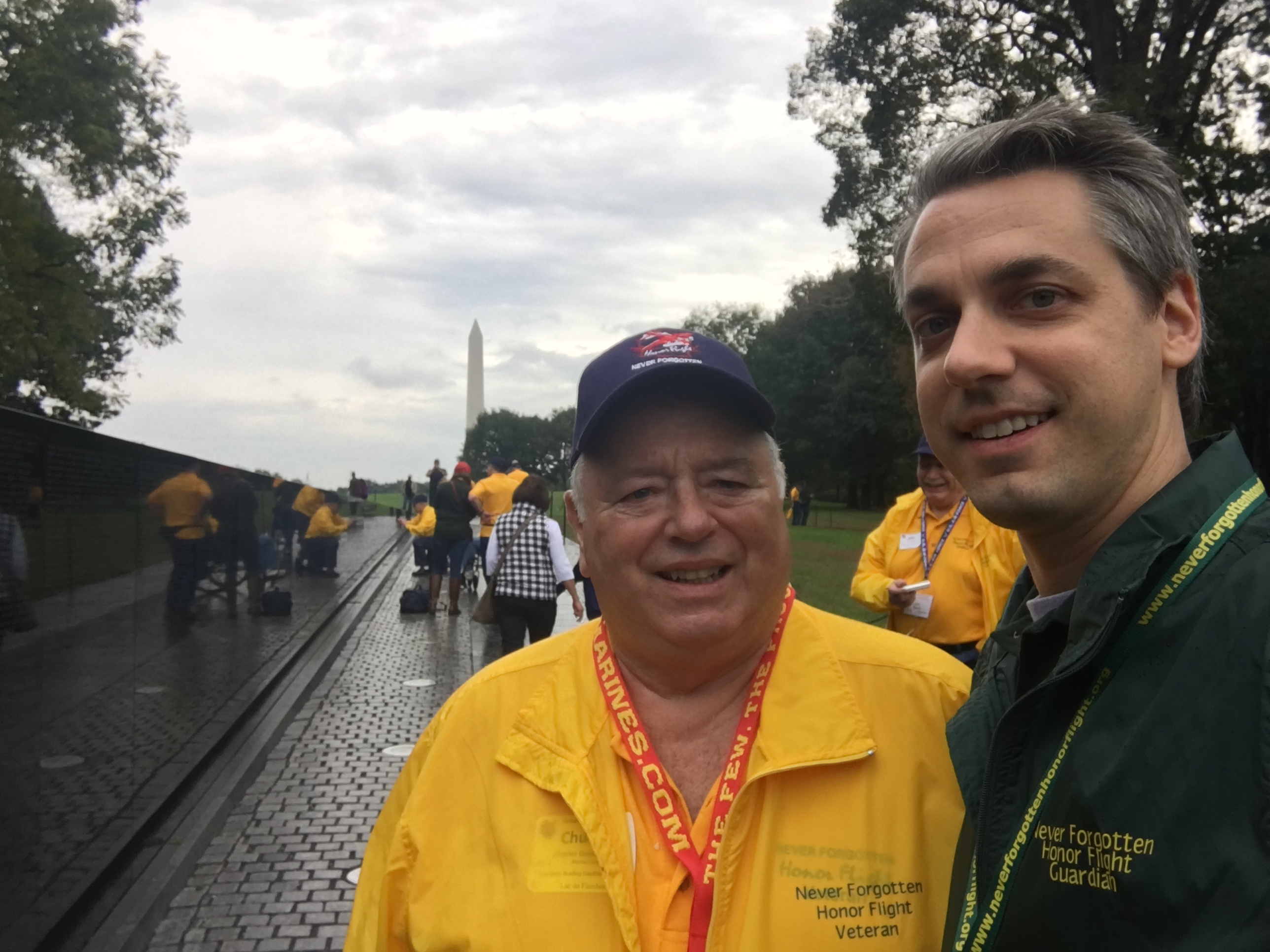
Then other families asked.
Most families do not have what I had on hand. They have the same complicated parent, the same rushed hospital, the same dense records, and no way to push past the first three "we don't use that here" responses. They give up where I kept asking. Their parents do not always reach a doctor who listens.
I do not want that to keep happening. Lucy is the thing I built for my dad, made into something a family can use without having built it themselves.
It costs money. $495 a month while your dad is in active care, paused when he does not need her. The AI that does the reading and the citation-checking is genuinely expensive to run. I am not in this to lose money. I am not in it to make a fortune. The price covers the work, and it pauses the months your family is between chapters.
We do not sell your data. We do not train any model on your dad's records without your explicit, informed consent. We will not email you again unless you write back. Those are not marketing promises. They are the architecture.
Lucy is not a doctor. Lucy does not diagnose, treat, or prescribe. The judgment about your dad's care belongs to the people who went to medical school for it. What Lucy does is read what your care team has written, look up the literature behind it, and help you ask the questions that get the right ears to engage. I want you to be in those conversations the way I got to be.
-- Brad